From Pandemic to Permafrost: Legal Pathways for One Health Preparedness in Arctic Communities
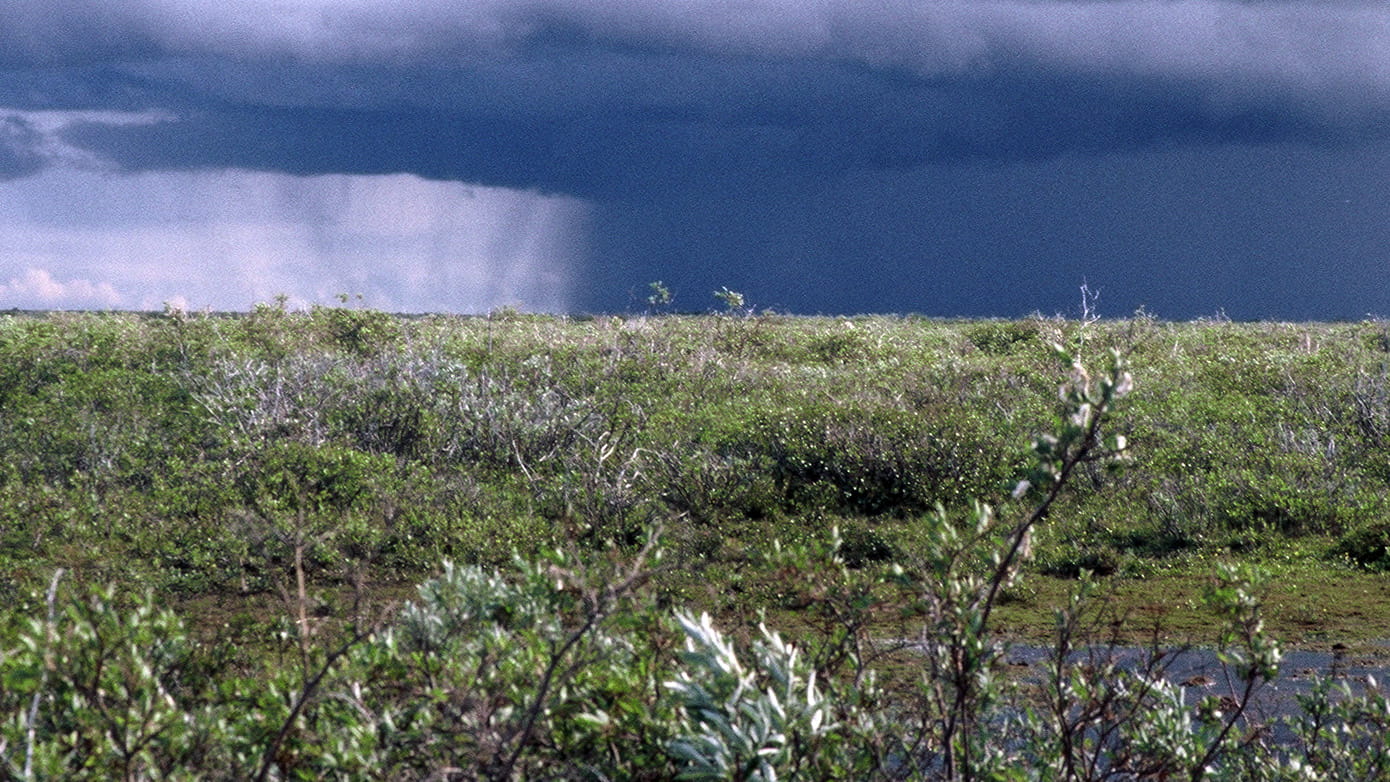
The continuous permafrost zone in northern Manitoba, Canada. Photo: Ilan Kelman
The Arctic Institute Polar Disaster Series 2026
- The Arctic Institute’s 2026 Polar Disaster Risk Reduction and Response Series: An Introduction
- Crisis Management in Arctic Communities: Principles of Crisis Response
- Disaster Risk Reduction and Response: Greenland
- Risk Analysis of Infrastructure Vulnerability and Sustainable Resource Exploitation in the Arctic
- Ships in the Arctic Need to Plan to Survive Until Help Arrives
- From Pandemic to Permafrost: Legal Pathways for One Health Preparedness in Arctic Communities
- Icebergs and Navigation Safety in Antarctica: Possible Impact of new Sea-Ice Regime in the Southern Ocean and South Atlantic Ocean
- Legal Preparedness for One Health in Polar Regions: Strengthening Disease Surveillance
- A Framework for Avoiding Polar Disasters
- Keeping an Eye on Iceland: Volcanoes and Climate Change
- Choosing the Bear: Navigating Spectacular Risks in Longyearbyen
- Local Perspectives in Disaster Risk Reduction: Visualising Disaster Risk in Svalbard
- The Arctic Institute’s 2026 Polar Disaster Risk Reduction and Response Series: A Conclusion
The Arctic is currently facing conflating challenges – sea levels rising, permafrost thawing and many other environmental and social changes – resulting in the destabilization of communities and existing infrastructure. Legal frameworks rooted in One Health can provide the backbone for designing systems that can deal with constant changing conditions found in the Arctic. One Health1) is an approach to design and implement programs, policies, legislation, and research in which multiple sectors communicate and work together to achieve better public health outcomes. Although critiques and alternative approaches to One Health highlight its limitations, this article uses One Health as a practical framework for examining preparedness in Arctic communities.
Scientists across the Arctic have documented that regional temperatures over the past few decades are rising at twice2) the global average rate and Indigenous and non-Indigenous Arctic peoples are observing this change in their daily lives. Trends of increasing temperatures3) and variable precipitation patterns are expected to continue with future climate change. The cascading effects of these changing conditions are illustrated4) by significant reductions in sea ice thickness and extent, increased permafrost thaw, sea level rise, and changes in weather patterns, timing of seasons, ice melt/freeze of lakes and rivers, water temperature, flooding and drought patterns, erosion, and snowfall timing and type.
Thawing permafrost is a particular challenge. Permafrost is ground where soil temperature5) remains at or below zero degrees Celsius continuously for at least two years and it is widely distributed in high-altitude and high-latitude regions. Ground instability resulting from permafrost degradation6) is damaging infrastructure and impacting ecosystems. Like the importance of river ice and sea ice, subsurface ice7) is structurally important to the health and function of communities.
The severity of permafrost degradation impacts8) to communities is a function of the ice contents of soil, with higher infrastructure hazard zones in permafrost regions characterized by relatively high ground-ice content. As the ice thaws and changes to liquid water9) the structural integrity of the soil can diminish or disappear entirely. Permafrost degradation10) can cause the land to sink, resulting in damage to infrastructure, landslides, erosion, the disappearance of lakes, the development of new lakes, and saltwater intrusion of freshwater aquifers and surface waters. Spatial modeling for Alaska11) suggests that near-surface permafrost will likely disappear from fifty to seventy-five percent of Alaska by the end of the 21st century.
In turn, these climate change driven changes increase the number of serious problems for Arctic inhabitants. Issues include:12)
- Thinning sea ice, which can trap people far from home or at home.
- Changing snow and ice conditions that limit safe hunting, fishing, or herding practices.
- Malnutrition and food insecurity from lack of access to subsistence food.
- Contamination of food and water.
- Increasing economic, mental, and social problems from loss of culture and traditional livelihood.
- Increases in infectious diseases.
- Loss of building and infrastructure from permafrost erosion and thawing.
Thawing Permafrost as a Disease Reservoir
As the Arctic warms twice13) as fast as the rest of the world, its ground is starting to thaw. With that thaw, bacteria and viruses once buried in the permafrost could increasingly emerge. As microbes begin reemerging14) they have more opportunities than ever to encounter people and animals. It is not just bacteria, bodies of victims15) of the 1918-1920 influenza pandemic are still buried in the Arctic permafrost.
In November 1918, in the village of Brevig Mission, the influenza pandemic killed16) 75 out of 80 residents in the span of just five days. The Alaska territorial government17) sent gold miners up from Nome to use steam points to dig a mass grave in the permafrost two meters beneath the surface. In 1951, a pathologist received permission from the Elders18) to exhume some of the bodies to extract lung tissue to gain information about the virus material. As a result of the procured material,19) they were able to sequence one of the genes in the virus for the first time. In 2000 in Svalbard, scientists exhumed six bodies of young miners20) who succumbed to the 1918-1920 influenza pandemic to further identify and isolate the gene sequencing to learn more about the virus. In 2005, researchers were able to completely sequence21) the 1918-1920 influenza virus to determine that it had come from birds.
In 2016, on the Northwest Siberia Yamal peninsula an outbreak of anthrax22) killed thousands of reindeer and affected dozens of humans. The previous outbreak of anthrax was registered in 1941 with the Yamalsky District declared anthrax free in 196823) and compulsory vaccination of reindeer terminated in 2007. The trigger of the outbreak has been ascribed to the activation of spores24) due to permafrost thaw that was accelerated during the 2016 summer heat wave. Sample soils were taken and more than 200,000 samples of soil from 32 of the known anthrax-contaminated25) areas showed signs of the bacterium B. aanthracis that causes anthrax. Absent near the soil surface, the anthrax spores could remain intact in the carcasses of dead infected animals26) buried in the permafrost that is thawing due to the warming climate, potentially reviving previously frozen bacteria. Its transmission is mediated27) by environmental contamination through highly resistant spores which can persist in the soil for several decades.
Under much of the Arctic,28) permafrost has kept everything frozen, from woolly mammoths to microscopic particles. With the rapid thawing of permafrost, viruses long locked into the soil escape, potentially leading to diseases that threaten the health of people and animals.
An emerging risk is climate change driven zoonotic diseases. Melting permafrost29) may expose long-dormant viruses. At the same time, the northward movement of species30) increases opportunities for spillover and infection in the Arctic Region. The information and knowledge31) that is contained in the permafrost can give us vital information and lessons about the past for current and future possible outbreaks.
Inequity in a Warming North
Adverse health impacts of climate change affect everyone. While all those living in the Arctic are affected, peoples who organize their lives and societies in close connection with nature could face earlier and more severe health impacts. This includes Indigenous Peoples,32) whose physical and mental health are closely tied to ecosystems that, like all ecosystems on Earth, are climate-sensitive—and who already face significant health inequalities.
In the United States in Alaska, there are 229 federally recognized tribes with 144 Alaska Native33) communities facing some degree of infrastructure damage from erosion, flooding, permafrost degradation, or a perilous combination of all three hazards. Climate change, driven by human activity, places every community on the frontlines, yet Alaska Native communities34) are among those most directly and disproportionately affected. Alaska Native economic, social, and cultural ways of being are now under extreme threat due to accelerated environmental change.
For Alaska Native villages35) damage to water and sanitation infrastructure is a regular occurrence due to erosion, thawing permafrost, and flooding.
In 2019, the Alaska Federation of Natives36) passed Resolution 19-56 declaring a climate change state of emergency. This paper acknowledges that such declarations have been critiqued37) as ethically problematic for reinforcing sovereign power, drawing on reductive wartime logics, and crowding out Indigenous and plural approaches to global challenges, but will not spend time analyzing such declarations. Acute events, such as floods and storm surges, and slower-moving impacts, such as permafrost thaw and erosion, act as health stressors and may contribute to mental health impacts. Environmental threats and physical ecological losses38) can affect mental health, the inability to travel on ice, and subsistence lifestyles as well as disrupt environmental knowledge systems and senses of identity.
Many Sami people,39) inhabiting the Arctic region of Sápmi, maintain reindeer herding. The health and welfare of the reindeer depend on functioning ecosystems and the annual cycle of reindeer ecology, including access to a diversity of quality pastures at different times of the year. Climate change has negative impacts40) on the reindeer herding practices of the Sami people, through both slow-onset changes and sudden-onset events. These impacts include shifting seasons, shrub expansion on the tundra, and declining pasture quality. Reindeer face reduced lichen access from deep snow and rain-on-snow events, greater parasite and insect stress in summer, unstable ice on migration routes, and increasingly hazardous weather and wildfires. One of the most significant challenges41) facing Sami reindeer herders is more frequent and intense rain-on-snow events and freeze-thaw cycles during winter, which create an ice barrier, making it difficult for the reindeer to access food. This can prevent access to important grazing areas and migration routes, increasing the risk of starvation and death.
Some future risks to Sami reindeer husbandry42) can be adapted to through supplementary feeding with pellets or bales and the use of trucks to transport reindeer. Such adaptive herding practices add a significant burden to Sami reindeer herders43) through increased workloads, costs, and concern for loss of traditional practices and culture. Supplementary feeding44) is also associated with changing animal behavior, higher rates of disease and health issues, stress, lower immune systems, poor hygiene, and digestive systems that have not adapted to artificial products. In some cases, adaptation to climate change impacts45) can include the use of alternative grazing areas, but these are tightly regulated and are increasingly difficult to find due to competing land use practices. Adaptation measures for reindeer herding46) will require greater flexibility in land use, more available land, and policy development.
Legal Determinants of Arctic Health
In the US in 2015, President Obama designated the Denali Commission47) as the lead federal agency for coordinating federal efforts to mitigate the impacts of erosion, flooding, and permafrost degradation in rural Alaska. In 2019, the Denali Commission published48) the Statewide Threat Assessment which ranked communities based on the level of threat from flooding, erosion, and permafrost degradation. The health and equity impact of climate change49) make climate change mitigation efforts critical; Indigenous health now and into the future requires rapid, effective action. The choice and design of policies are important for health and health equity50) as they can have co-benefits and/or co-harms for health and can either facilitate or hinder progress towards health equity.
It is imperative that climate change mitigation policies and actions are designed to maximize positive impacts and minimize adverse outcomes for Indigenous health. The range of possible climate change mitigation policy instruments51) and their multidimensional impacts, including differential impacts on different populations, means that co-impacts of climate change mitigation on health can be mediated through a multitude of pathways. Health co-benefits occur through mechanisms52) such as reduced air pollution from changes in energy generation and transport mode shift, higher levels of physical activity and social contact because of increased active transport, reduced intake of food from animal sources, and healthier indoor environmental conditions due to improved household insulation.
The Arctic Council is an intergovernmental forum promoting cooperation, coordination, and interaction among Arctic States, Indigenous Peoples, and other Arctic inhabitants on common Arctic issues. Through its Working Groups, it regularly produces comprehensive cutting-edge environmental, economic, and social assessments. It has also served as the forum for the negotiation of important legally binding agreements mong the eight Arctic States, including the Agreement on Cooperation on Aeronautical and Maritime Search and Rescue in the Arctic. The regional body can establish a non-binding framework with guidance that member states can adopt into their national frameworks to ensure coordination and collaboration among states.
Legal determinants of health are structural determinants of health. They refer to the macro-level factors53) including laws, policies, institutional practices, governance processes, and social norms that structure and shape social determinants of health. Laws structure social and economic relations54) by establishing the rules of engagement that are sanctioned by society and exert a powerful force on social determinants of health. Laws can structure conditions55) that advance health and equity or conditions that are weaponized against marginalized groups. Having a strong One Health legal framework56) can work to advance Arctic priorities; translate vision into action regarding One Health; strengthen the governance of local, national and regional institutions; implement evidence-based interventions; and strengthen legal capacities at the local level.
Operationalization of One Health in the Arctic
The Arctic provides an opportunity to put One Health into practice. The region already has a strong tradition57) of local national, regional, and international cooperation among diverse stakeholders in addressing human, animal, and ecosystem health issues. Operationalizing a One Health model58) can improve climate change vulnerabilities and health impacts while strengthening the evidence base for policy. This approach supports tools and frameworks that help identify issues early, implement prevention programs, and design mitigation, adaptation, and resilience strategies.
Operationalizing One Health requires application of the One Health paradigm to the issues to be addressed. It requires the development of metrics to monitor trends59) in recognized threats, to detect emerging ones, and to evaluate the results of climate change mitigation and adaptation strategies. The strategies should connect Indigenous and local knowledges, as well as contemporary science and scientific application of technology.
Toward a Legal Framework for Arctic One Health
Legislation is a powerful means by which countries and regional organizations can translate One Health objectives into concrete, sustainable and enforceable rights, obligations, and responsibilities, paving the way for inter-sectoral collaboration. Legislation forms the backbone60) of appropriate frameworks aimed at preventing the introduction and spread of pests and diseases. It can contain key regulatory controls within a sector, establish linkages among the various areas relevant for One Health61) and facilitate a coordinated implementation by different authorities, all of which are important to achieving the goals of One Health.
Developing legal frameworks is a way to hold governments accountable to address climate change effects that can impact those living in the Arctic. By protecting land and marine resources62) that are critical for Arctic Indigenous and non-Indigenous livelihoods, resources are protected that sustain Indigenous and non-Indigenous livelihoods, traditional practices, and cultural activities.
At the regional level, the Arctic Council can produce comprehensive and social assessments through its Working Groups. This can set a benchmark for member states to look towards implementing legislation into their national frameworks.
Additional actions that Arctic country governments63) can take are, first, adopting legislation recognizing climate change as a public health threat. This would enable interagency coordination, allocate resources, and mandate environmental health impact assessments (EHIAs)64) that integrate zoonotic disease risk and permafrost data into any new land-use project.
Second, countries could create a legal mandate for an Arctic-wide Permafrost Pathogen Surveillance Network. The Network would involve veterinary, wildlife, environmental, and public health sectors and enable data-sharing agreements among Arctic states to monitor and respond to zoonotic disease threats from permafrost thaw.
Third, countries should recognize Indigenous knowledge systems65) in statutory environmental decision-making. Emphasizing wildlife monitoring, land use, and emergency preparedness can legally protect Indigenous land use rights and allocate adaptive land access.
Fourth, promote legally binding multilateral Arctic health and environmental treaties. This would harmonize66) disease surveillance, coordinate emergency response, and protect cross-border Indigenous migration and reindeer herding routes.
Fifth, enact laws recognizing physical ecological loss and cultural loss as legitimate health harms. Require climate change mitigation67) and support services during displacement or disruption. Mandate inclusion of Indigenous community well-being indicators in national climate change adaptation plans and funding streams.
Finally, develop flexible land use zoning laws. Allow seasonal access for herders or hunters based on environmental conditions and legally require flexibility68) and override mechanisms in land leasing or use regulation to prioritize climate change adaptation needs over extractive industries or fixed land use categories.
Conclusion
By embedding these steps in law, the One Health approach becomes a powerful, integrative tool to address the Arctic’s climate change affected risks, linking health systems, environmental stewardship, and Indigenous sovereignty. At the same time, acknowledging the critiques of One Health demonstrates that preparedness must balance resilience with vulnerability, ensuring that legal systems foster plural goals and avoid reproducing inequities. By establishing legal authority, we can build systems rooted in resilience and not just mitigation or reaction.
Katherine Farrell Ginsbach is a Senior Associate at the Center for Transformational Health Law and Adjunct Law Professor at Georgetown University Law Center.
References