The Arctic Institute's 2026 Polar Disaster Risk Reduction and Response Series: A Conclusion
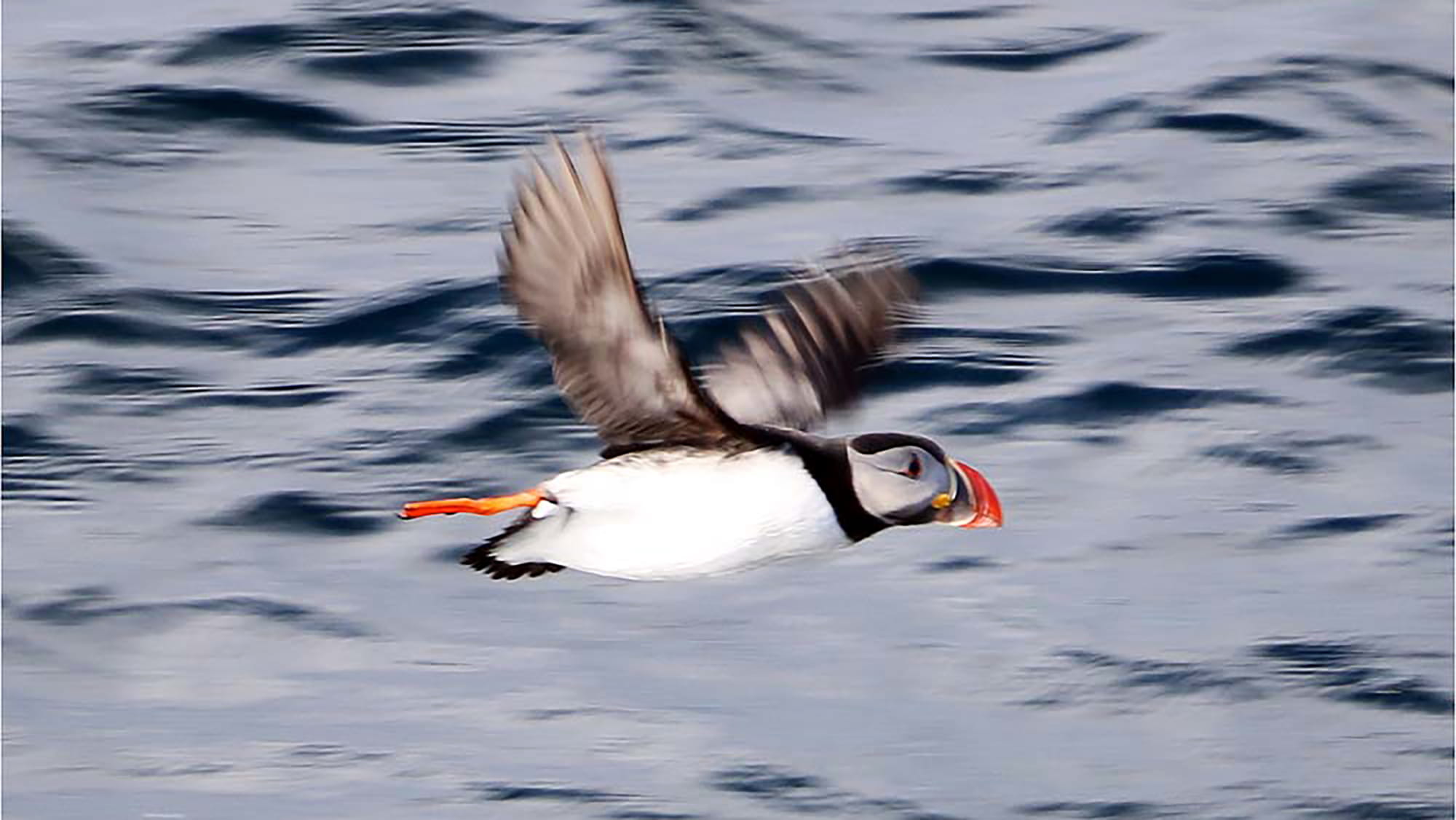
A puffin flying at Magerøya, Norway. Photo: Ilan Kelman
The Arctic Institute Polar Disaster Series 2026
- The Arctic Institute’s 2026 Polar Disaster Risk Reduction and Response Series: An Introduction
- Crisis Management in Arctic Communities: Principles of Crisis Response
- Disaster Risk Reduction and Response: Greenland
- Risk Analysis of Infrastructure Vulnerability and Sustainable Resource Exploitation in the Arctic
- Ships in the Arctic Need to Plan to Survive Until Help Arrives
- From Pandemic to Permafrost: Legal Pathways for One Health Preparedness in Arctic Communities
- Icebergs and Navigation Safety in Antarctica: Possible Impact of new Sea-Ice Regime in the Southern Ocean and South Atlantic Ocean
- Legal Preparedness for One Health in Polar Regions: Strengthening Disease Surveillance
- A Framework for Avoiding Polar Disasters
- Keeping an Eye on Iceland: Volcanoes and Climate Change
- Choosing the Bear: Navigating Spectacular Risks in Longyearbyen
- Local Perspectives in Disaster Risk Reduction: Visualising Disaster Risk in Svalbard
- The Arctic Institute’s 2026 Polar Disaster Risk Reduction and Response Series: A Conclusion
This series on polar disaster risk reduction and response examined a plethora of knowledges explaining and actions for disaster-related activities around the Arctic and the Antarctic. The articles demonstrated aspects of the high latitudes which are similar and different to other locations, drawing on diverse experiences, material, and interests to do better in avoiding and responding to disasters.
The overarching conclusion is that nature is not trying to harm humanity. Phrases such as “nature bats last”, “natural disaster”, “black swan”, and even “accident” are misnomers, distracting from the human choices which place or force people into circumstances in which disaster risk is created and cannot be redressed. Conversely, human choices can deal with the circumstances of disaster risk, reducing it, averting many disasters, and supporting response and recovery.
These are social processes, hence disasters and avoiding disasters are social processes. People with power, opportunities, and resources make choices, typically for many others—those who do not have choices. For the polar regions, it is often those at lower latitudes making decisions for peoples they have never met and regions they have never been to, viewing them mainly as remote and irrelevant, apart from being a source of financial wealth.
The standard anecdote about closeness and relevance applies. An Arctic Indigenous person who had never before left their land, water, air, and ecosystems is brought to a bustling capital to see how they fare, along the lines of voyeuristic reality television and the 1986 movie Crocodile Dundee. After several days of being shown the city, they are asked what they think of “real civilisation”. They reply, “Quite interesting, but it’s just so far from everything”.
After all, the polar regions teem with life (including humans and puffins in the north), livelihoods, inspirations, interests, concepts, knowledges, and wisdoms. Two free-to-download books express Arcticness and Antarcticness offering a theoretical and practical basis to situate polar disaster risk reduction and response without invoking the stereotypical tropes of barrenness, remoteness, and isolation.
Danger, yes—but everywhere has dangers, threats, and perils. Irrespective, people have thrived in the Arctic for millennia and have implemented extensive science, tourism, exploration, and resource extraction in the Arctic and the Antarctic. Disasters always occurred and continue to occur; risks are ever-present and ever-changing. These challenges bring opportunities—opportunities to think ahead of catastrophe for preventing them while responding effectively and safely. Improvements are always needed, with this series indicating clear pathways on how to do so in order to prove that no disaster is inevitable, even—or especially?—in the polar regions.
lan Kelman is Professor of Disasters and Health at University College London and Professor II at UiT The Arctic University of Norway. Jeevan Toor is a PhD Student at the Institute for Global Health, University College London, and a Research Associate at The Arctic Institute.